Why Older Homes in Fort Smith Are Prone to Foundation Problems
If you own a home that was built decades ago in Fort Smith, you already know that character and charm often come with a few quirks. Unfortunately, those quirks can extend below grade. The soil conditions in the Arkansas River Valley, combined with the seasonal swings between wet springs and dry summers, put constant stress on older foundations. Many of these homes were built before modern waterproofing standards existed, so their foundations were never designed to handle today's water loads.
Older homes also tend to have foundation materials that have simply aged out. Stone, brick, and early poured concrete can develop cracks and deterioration over time, especially when water is allowed to sit against them. Recognizing the early foundation problems signs is the best way to avoid a small issue turning into a major structural repair. In this article, we will walk through what to look for below grade so you can protect your investment and your peace of mind.
Basement Wall Cracks: What They Mean and When to Worry
Not all cracks are created equal. Hairline cracks in a basement wall may be cosmetic, but wider cracks, horizontal cracks, and cracks that are actively weeping water are red flags. Vertical cracks often appear as concrete cures and settles, and they are common in older homes. However, if those cracks are wider than a quarter inch, or if they are accompanied by dampness, they are likely allowing water into your basement. That is where Basement Waterproofing becomes essential rather than optional.
Horizontal cracks are a different story. They often indicate that the soil outside is pushing against the wall with more force than the wall can handle. This is a sign of a bowing basement wall in progress, and it should never be ignored. If you notice any crack that is growing, or if you can fit a coin into it, it is time to bring in a professional. A qualified contractor can determine whether the crack is structural or simply a water entry point, and recommend the right repair before the damage spreads.
Bowing Basement Walls and Other Structural Warning Signs
A bowing basement wall is one of the most serious signs of foundation trouble. You may notice that the wall is leaning inward, that the top or bottom of the wall is separating from the floor joists, or that the wall feels soft or crumbly when you touch it. In older homes, this often happens because the original drainage system has failed and hydrostatic pressure has been building for years. If you see horizontal cracks combined with inward movement, do not wait. This is a structural issue that can affect the entire house.
Other structural warning signs include doors and windows that stick or no longer latch, floors that feel uneven or bouncy, and gaps between the walls and the ceiling or floor. These symptoms often appear above grade, but their root cause is below. A professional assessment can tell you whether the issue is a failing foundation or a drainage problem. If you are unsure, a free estimate is a low-risk way to get answers from a local expert who understands the specific soil and climate challenges in Van Buren and the surrounding communities.
Moisture, Mold, and the Hidden Cost of Ignoring Water
Water is the enemy of every foundation, and older homes are especially vulnerable. If you notice musty odors, white powdery deposits on the basement walls, or efflorescence, you likely have a moisture problem. Mold and mildew thrive in damp basements, and they can affect indoor air quality for the entire household. What looks like a minor damp spot can be the tip of the iceberg: water may be entering through cracks you cannot see and pooling behind finished walls or under the floor.
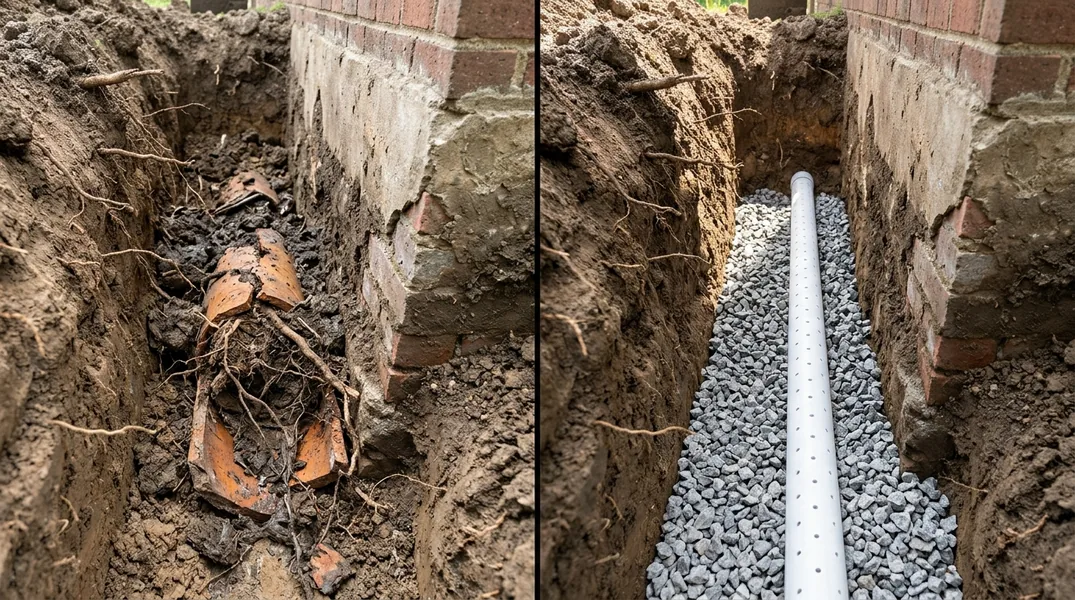
This is why Foundation Waterproofing is about more than just keeping the basement dry. It is about protecting the structural integrity of your home and the health of your family. In many older homes, the fix involves a combination of interior and exterior solutions. An Interior Drain Tile System can capture water before it reaches the floor, while Exterior Basement Waterproofing addresses the source by redirecting water away from the foundation. Sometimes both are needed to fully solve the problem.
Historic Home Waterproofing: Special Care for Older Structures
Historic homes require a thoughtful approach. You cannot simply apply modern waterproofing techniques without considering how they will interact with older materials. For example, stone foundations need to breathe, and applying a heavy sealant to the wrong surface can trap moisture and cause spalling. Similarly, brick foundations require repointing with the right mortar mix to avoid damage. Historic home waterproofing is not a one-size-fits-all job, and it is best handled by a contractor who has experience with older construction methods.
If you live in a historic property in Greenwood or anywhere in the region, ask your contractor about their experience with older foundations. They should be able to explain how they will preserve the character of your home while still solving the water problem. The goal is to protect the structure without compromising its historical integrity. A good contractor will walk you through the options and help you choose a solution that fits both your home and your budget.
When to Call a Professional Near Me: Next Steps for Fort Smith Homeowners
If you have read this far and recognized one or more of these signs in your own home, you are probably wondering what to do next. The first step is a professional inspection. A trained eye can spot issues that are easy to miss, and they can tell you whether you are dealing with a minor crack or a serious structural problem. Do not rely on patch kits or DIY sealants for anything beyond the most cosmetic fixes. Foundation issues tend to get worse over time, and the longer you wait, the more expensive the repair becomes.
If you are searching for basement waterproofing near me in the Fort Smith area, look for a local company that understands the specific challenges of older homes in this region. Fort Smith Waterproofing has helped homeowners across the area diagnose and repair foundation problems, from basement wall cracks to bowing walls and chronic moisture issues. Call (479) 755-9567 to schedule an inspection, or visit the website to learn more about pricing and the services available. Protecting your home starts with a single conversation, and the sooner you have it, the better off your foundation will be.
Looking for a professional basement waterproofing contractor in Fort Smith? Fort Smith Waterproofing responds fast for all your basement waterproofing needs.
Get a Free QuoteOur services: Basement Waterproofing · Interior Drain Tile System · Exterior Basement Waterproofing